While luxury resorts promise polished perfection, there’s something undeniably real about a family gathered around a campfire on a windswept Mediterranean shore. It’s not just a holiday-it’s a ritual passed down through generations, where the rhythm of the waves replaces the buzz of city life. The South of France isn’t just a destination; it’s a state of mind, one that values slow mornings, salty skin, and the simplicity of sleeping under pine trees with the sea within earshot. Finding the right spot means balancing comfort and authenticity-and knowing where to look.
The allure of Mediterranean coastal camping
There’s a particular magic in stepping from your accommodation onto warm sand before breakfast. Staying close to the water isn’t just convenient-it shapes your entire experience. The sea offers a natural reset, pulling you into a slower pace. Whether it’s a morning swim or watching the sunset with a glass of local rosé, proximity to the shore transforms a standard getaway into something more immersive. For those seeking a perfect Mediterranean escape, booking a seaside campsite near Hyères Var is the ideal way to enjoy direct access to the water.
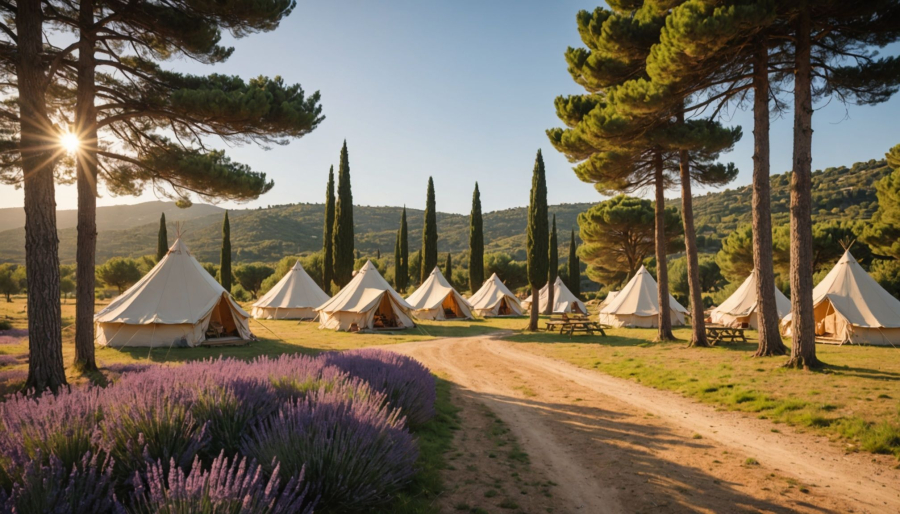
Proximity to the shore
Being just steps from the beach changes everything. You’re not confined to a schedule. Want to dip in during a midday lull? Go. Feel like a midnight stroll under the moonlight? Do it. This ease of access fosters a deeper connection to the coastal environment. The sound of waves becomes your soundtrack, and the smell of salt air lingers on your skin. On the Giens Peninsula, many sites offer front-row views or short walking paths to secluded coves-ideal for families who want both convenience and a sense of discovery.
Sun-drenched microclimates
The Var region benefits from one of France’s most favorable climates. Sunshine is abundant, and while summer heat can climb, the Mediterranean breeze keeps things surprisingly comfortable. Unlike inland areas that trap warmth, coastal zones benefit from natural ventilation. Mornings warm up gently, and evenings cool off just enough for outdoor dining. This balance makes it possible to spend most of your day outside-whether lounging by a heated pool, reading under an olive tree, or enjoying a late dinner as the sky shifts from gold to indigo.
Activities for all ages
Coastal campsites in the South of France aren’t just about lounging-they’re hubs of activity. Watersports like windsurfing and paddleboarding thrive here, thanks to steady winds and calm bays. The Giens Peninsula, in particular, is a hotspot for diving, with clear waters revealing rocky reefs and marine life. For those seeking calm, spa areas and wellness zones offer massages and relaxation rituals. This blend means every traveler finds their rhythm: kids chase crabs along the shore, couples unwind with a seawater soak, and adventurers head out on kayaks at dawn.
Choosing between luxury and authenticity
The best campsites in the South of France don’t force you to choose between comfort and character-they offer both, in varying proportions. Some travelers crave the simplicity of a shaded pitch beneath pine trees, where the only sound is the rustle of leaves. Others prefer the ease of a modern mobile home with air conditioning, a private terrace, and even a jacuzzi under the stars. The key is knowing what kind of experience you’re after.
Families often lean toward 4-star sites that combine structure with freedom. These typically include on-site restaurants, supervised kids’ clubs, and clean sanitary blocks-features that make life easier without sacrificing the outdoor spirit. Meanwhile, couples or solo travelers might seek smaller, quieter locations where the emphasis is on nature, not amenities. The rise of glamping has also introduced new options: think wooden lodges with large windows facing the sea or eco-friendly cabins with minimalist design.
Ultimately, the “best” campsite isn’t the one with the most stars-it’s the one that aligns with your travel style. A luxury stay doesn’t mean losing touch with nature; it means enjoying it with a few more comforts. And authenticity doesn’t require roughing it-it can simply mean fewer crowds, more greenery, and a slower pace.
A comparison of regional camping styles
The South of France isn’t a monolith. Each coastal area offers a distinct flavor, from the glitz of the Côte d’Azur to the wild beauty of the Var. Understanding these differences helps you match your preferences with the right destination. The table below breaks down three key regions to guide your decision.
Identifying your ideal environment
| Region | Landscape Type | Key Activities |
|---|---|---|
| French Riviera | Glamorous / Rocky | Nightlife / Yachting / Cultural visits |
| Var / Hyères | Wild / Preserved | Diving / Windsurfing / Coastal hiking |
| Languedoc-Roussillon | Flat / Sandy | Family water parks / Cycling / Kite surfing |
The French Riviera delivers sophistication but comes with higher prices and denser crowds. The Var, especially around Hyères and the Giens Peninsula, strikes a balance-offering protected natural areas, strong winds for water sports, and a more relaxed vibe. Languedoc, further west, is ideal for families wanting long sandy beaches and kid-friendly attractions. Your choice depends on whether you prioritize adventure, relaxation, or convenience.
Essential tips for a successful outdoor stay
Even the most beautiful location can fall flat without proper planning. A seamless camping holiday hinges on practical details often overlooked in the excitement of booking. Taking time to research a site’s offerings and layout can make the difference between a smooth trip and a series of small frustrations. Here’s what really matters when preparing for your stay.
Planning and logistics
- Book well in advance-popular coastal sites fill up months before summer.
- Check for on-site services like grocery stores, bike rentals, or laundry facilities.
- Consider the distance to local villages-some sites are remote, others are within walking range of shops and restaurants.
- Ask about access to water parks or private beach areas, especially if traveling with children.
- Verify pet policies early if bringing animals-some premium sites have restrictions or extra fees.
These details might not sound glamorous, but they shape your daily comfort. A campsite with a small supermarket saves you a drive in peak heat. One with shaded pitches keeps your tent cooler. And knowing the layout before arrival helps you request the best spot-whether you want sea views, privacy, or easy access to the pool.
Exploring the hidden gems of the French Riviera
Beyond the postcard beaches, the true charm of this region lies in its lesser-known corners. The South of France isn’t just about sunbathing-it’s a landscape rich in biodiversity, history, and local flavor. A well-chosen campsite doesn’t just offer a place to sleep; it becomes a launchpad for discovery.
The magic of the Golden Islands
A short boat ride from the Giens Peninsula, the Îles d’Or-Porquerolles, Port-Cros, and Le Levant-feel like stepping into another world. Porquerolles, the largest, is a protected natural park with vineyards, wild herbs, and crystal-clear coves. Its car-free paths invite exploration by bike or foot. Port-Cros is even more secluded, home to a national park and one of France’s first marine reserves. Snorkelers can spot octopuses, groupers, and sea fans in the protected waters. These islands offer a rare chance to disconnect and immerse yourself in unspoiled nature.
Nature trails and coastal walks
The sentier du littoral-a network of coastal footpaths-winds along much of the Var coastline. These trails offer panoramic views, hidden beaches, and encounters with native flora like juniper and rockrose. The best times to hike are early morning or late afternoon, when the sun is lower and the light is golden. Some paths lead to abandoned watchtowers or old military ruins, adding a touch of mystery to the journey. Comfortable shoes and water are essential, but the effort is always rewarded.
Local culinary experiences
Eating well is part of the experience. Many campsites have on-site restaurants serving fresh, regional dishes-think grilled sardines, tapenade, and ratatouille. But venturing into nearby villages adds another layer. Markets in Hyères or Le Lavandou offer sun-ripened tomatoes, local cheeses, and herbs like thyme and rosemary. Cooking a simple meal with ingredients bought that morning is a small luxury that connects you to the place. And yes-pair it with a chilled glass of Bandol rosé. You’re on holiday, after all.
Common Queries
Is it worth booking a spot without a car?
Yes, especially in areas like the Giens Peninsula where local buses and bike paths connect key points. Many campsites are within cycling distance of beaches and villages, and seasonal shuttle services often run in summer. Renting bikes on-site is common, making car-free travel both practical and scenic.
What is the biggest mistake first-time campers make in the South?
Underestimating the mistral wind when setting up tents. This strong, cold wind can come suddenly, so it’s crucial to choose a sheltered pitch and use proper pegs and guy lines. Even on sunny days, wind exposure can make a site uncomfortable if not planned for.
Are there specific options for travelers with large motorhomes?
Yes, many 4-star sites offer spacious, hardstanding pitches with electric hookups and easy access for larger vehicles. It’s best to book early and specify your vehicle size to ensure the right spot is reserved, especially during peak season.
How is the 'glamping' trend changing the local landscape?
Glamping is introducing eco-lodges and high-end wooden cabins that blend comfort with sustainability. These structures often feature large windows, natural materials, and minimal environmental impact, appealing to travelers who want nature without sacrificing comfort.
